
EMS vs. Shiatsu Massage: How Do They Differ?
If you are sourcing massage products for a wellness brand, an importer or a furniture manufacturer, the first decision is not which model to order — it is which massage technology the product should use. EMS and Shiatsu represent two very different routes. One relies on electrical impulses; the other relies on mechanical moving parts. They produce different sensations, suit different product formats and carry different design and integration challenges.
This comparison explains how each technology works, what the user actually feels, what each route means for product design, and how to weigh the options when you brief a supplier. Examples come from Xiamen Wellness Technology Co., Ltd, a manufacturer established in 2004 with an 8,200 m² facility and two divisions: finished wellness products for brands, and massage mechanisms/components supplied to furniture and equipment manufacturers.
What Is EMS Massage Technology?
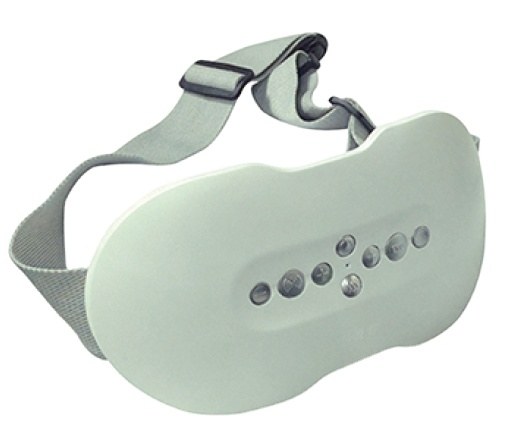
EMS stands for electrical muscle stimulation. An EMS massage device sends low-level electrical impulses through electrodes that contact the skin, causing muscles to contract and relax. The user feels a tingling or pulsing sensation under the electrodes, and the muscle involvement is active rather than passive. In product terms, EMS is the technology behind many wearable, hands-free formats: belts, pads and handheld units where the contact points are placed against the body.
An EMS device does not knead or press tissue the way a mechanical massager does. Its effect comes from the electrical signal and the electrode placement, so product design focuses on skin contact, electrode layout and intensity control rather than on moving parts. EMS should be presented as a massage and muscle-stimulation experience in consumer products, not as a treatment for any condition.
Wellness manufactures finished EMS devices such as the EMS Abdominal Massager Model W4013, an EMS massage belt worn around the waist that combines EMS massage with vibration massage and heating therapy designed for the lower back. It is a rechargeable wireless design with a timer, and the MOQ is 1,000 pieces. The combination of EMS, heat and vibration in one belt shows how an EMS device can be built as a multi-sensation product rather than a single-function unit.
A related but distinct route is microcurrent. The Handheld Sleep Aid Device Model W3042 uses low-frequency and high-frequency modes with three intensity levels each, a 20-minute auto shut-off and a 300 mAh battery. It is positioned for nighttime relaxation and daytime refreshment. Microcurrent applies a gentle low-level current aimed at relaxation rather than the muscle contractions EMS produces, so it is a related electrical route but not the same technology, and it should not be described with medical or therapeutic claims.
How Does Shiatsu Massage Work?
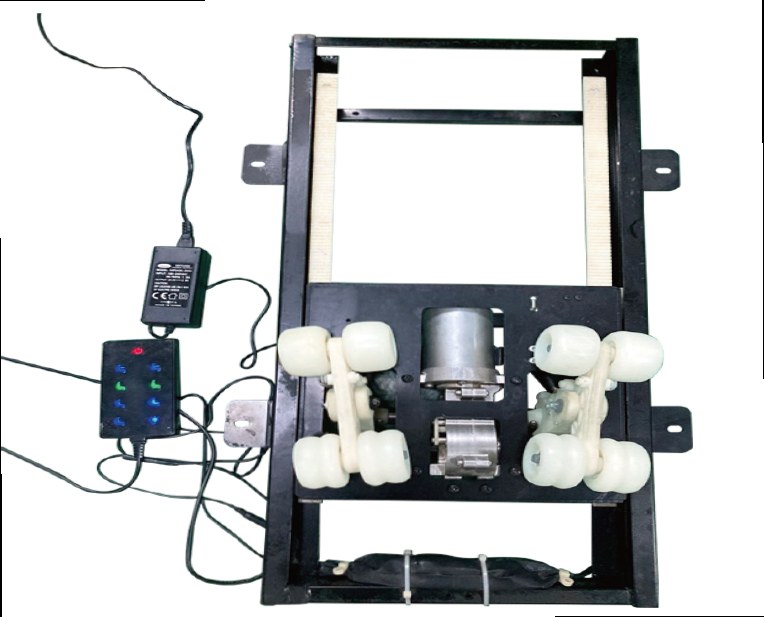
Shiatsu massage technology is a mechanical massage device approach. Instead of electrical impulses, it uses physical nodes or rollers that press, roll and knead along the body. In a travelling Shiatsu mechanism, the massage head moves up and down the back, mimicking the kneading action associated with Shiatsu-style massage. The user feels pressure and rolling contact on the surface of the body — the sensation comes from the mechanical movement, not from an electrical signal.
This has direct design consequences. A Shiatsu product needs a frame or track for the mechanism to travel along, a motor to drive it, and a control system for programs and position. The massage intensity is shaped by the mechanism's pressure and movement rather than by electrode contact. That makes Shiatsu a good fit for products with a defined body area and physical structure, such as back massage cushions and integrated furniture mechanisms.
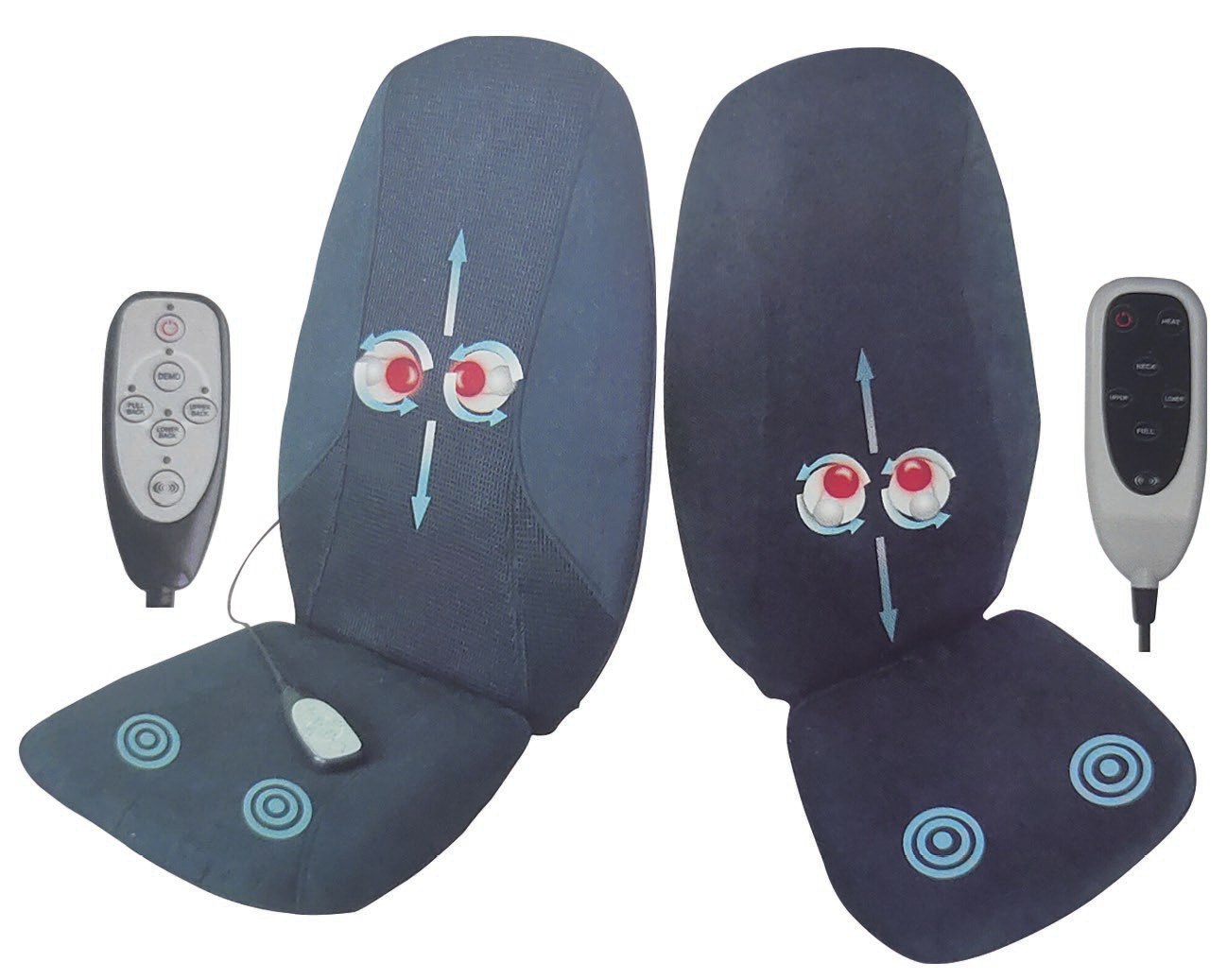
Wellness supplies Shiatsu in two forms. As a finished product, the Shiatsu Massage Cushion Model W287 offers full-back shiatsu massage with travelling up-and-down kneading and three programs — full back, lower back or upper back — plus two seat vibration motors. As a component, the Shiatsu Massage Mechanism Model W8296 provides rolling kneading along the back at 24 VDC/2 A and is built for sofa and recliner OEM integration. This distinction matters: the cushion is a finished device for a brand to sell, while the W8296 is a core mechanism for a furniture manufacturer to integrate into its own product.
EMS vs. Shiatsu vs. Vibration Massage
A common question is whether EMS massage is the same as vibration massage. It is not. The three routes differ in how the massage effect is generated:
- EMS uses electrical impulses to stimulate muscle contraction and relaxation. The electrodes contact the skin, and the muscle is directly involved.
- Vibration massage uses a vibrating motor to shake the tissue surface. The sensation is a rapid buzz or oscillation, and the effect is surface-level shaking rather than muscle contraction.
- Shiatsu uses mechanical kneading rollers or nodes that press and roll along the body, producing a pressure-based, kneading sensation.
In component terms, a vibration route might look like the 2-Vibrator Massage System Model W6025, a two-motor system with high/low intensity and a 15-minute timer for sofa and recliner installation. It represents a different design path from a Shiatsu mechanism: motors create vibration rather than moving a kneading head along a track. Sorting these three mechanisms out first prevents mismatched expectations later.
Key Differences in Massage Experience and Product Design
The table below summarizes how the routes differ in the ways buyers and product managers usually care about. Treat it as a design and specification comparison, not a performance ranking.
| Dimension | EMS | Shiatsu (mechanical) | Vibration |
|---|---|---|---|
| How the effect is generated | Electrical impulses through skin-contact electrodes | Mechanical nodes/rollers pressing and kneading | Vibrating motor shaking tissue |
| User sensation | Tingling, pulsing; muscle contraction | Pressure, rolling, kneading | Rapid buzz or oscillation |
| Body contact | Electrodes on skin | Moving head along a body area | Motor housing against the body |
| Muscle involvement | Active muscle stimulation | Passive mechanical pressure | Surface-level shaking |
| Typical product design priority | Electrode layout, skin contact, intensity control, wireless format | Track/frame, motor drive, travel path, program control | Motor mounting, intensity switching, timer |
| Common product formats | Belts, pads, handheld units | Cushions, integrated furniture mechanisms | Seat and back systems in furniture |
Two practical points follow from this design split. First, because EMS products do not need a moving mechanism, the engineering effort goes into electrode placement and control, and the structure can be simpler than that of a Shiatsu cushion with a travelling massage head. Second, Shiatsu products need mechanical space and a structure to guide movement, which is why they often appear as cushions or as components integrated into furniture. Vibration sits between the two in complexity: a motor and mounting are needed, but there is no kneading head or electrode array to design around.
There is also a combination route. The W4013 belt combines EMS, heating and vibration in one product, which shows that these technologies can coexist in a finished device. When they do, the product team has to decide how the sensations are sequenced and controlled so the user experience stays coherent.
Which Technology Is Suitable for Different Massage Devices?
There is no single best route among the different types of massage technology — the right choice depends on the product format and the user experience you want to sell.
- Wearable, hands-free products: EMS fits belts, pads and handheld formats where the device stays in contact with the skin. The W4013 waist belt is an example of this route in a finished product.
- Back cushions and seated massage products: Shiatsu fits products with a defined back area and a structure for a travelling mechanism, such as the W287 cushion with its three programs and seat vibration motors.
- Furniture integration: If you are a sofa or recliner manufacturer, the component route matters more than the finished-product route. The W8296 Shiatsu mechanism is built for that integration, while the W6025 vibration system covers a different sensation for the same furniture context.
- Relaxation and refreshment handhelds: A microcurrent device such as the W3042 is a separate electrical approach suited to handheld, time-limited use, with its 20-minute auto shut-off and defined intensity levels.
For brands buying finished goods, the starting point is the massage devices category, which lists finished products for consumer-facing ranges. For furniture and equipment manufacturers, the massage components category covers Shiatsu massage mechanisms and components designed to be built into your own products. Keeping these two routes separate in your sourcing plan avoids confusion between a product you sell and a part you integrate.
What Should Buyers Consider When Sourcing These Devices?
Once the technology route is clear, the sourcing decision comes down to a few practical criteria. These are the questions worth putting to any supplier during a massage technology comparison.
1. Target user experience
Decide whether you are selling a tingling, muscle-focused sensation (EMS), a pressure-and-kneading sensation (Shiatsu), or a surface vibration. The feeling is the product. A belt that combines EMS, heat and vibration, like the W4013, serves a different brief from a back cushion with travelling kneading, like the W287.
2. Product format and integration complexity
EMS products concentrate design work on electrodes, skin contact and control. Shiatsu products need mechanical travel and structure. If you are integrating into furniture, the component route — a mechanism such as the W8296 or a vibration system such as the W6025 — is the relevant path, and you should confirm the electrical interface, such as the 24 VDC/2 A input listed for the W8296, against your own product design.
3. Differentiation and range planning
Consider how the technology fits your assortment. A brand might carry an EMS wearable and a Shiatsu cushion to serve different use occasions. A furniture maker might combine Shiatsu and vibration functions across models. The point is to choose the technology that matches the use case rather than treating one route as universally better.
4. OEM/ODM capability and minimum order
Ask whether the supplier can support your route from concept to mass production. Wellness provides OEM and ODM services from product concept through to mass production, backed by company-level qualifications — ISO management system certification, environmental management system certification and a BSCI social compliance assessment — which cover the company's management systems rather than individual product certifications. Minimum order quantities vary by product — the W4013 EMS belt, for example, has an MOQ of 1,000 pieces — so confirm the MOQ for the specific model and configuration you need.
5. Compliance and claim boundaries
Keep product positioning within massage and wellness language. EMS and microcurrent devices should not be presented as treating any condition, and any regulatory requirements for your target market should be confirmed with the supplier as part of the project brief.
To compare specific models or discuss a custom program, you can request a quote with your target technology, product format and volume.
FAQ
What is EMS and how does an EMS massage device work?
EMS is electrical muscle stimulation. An EMS massage device sends low-level electrical impulses through electrodes in contact with the skin, causing muscles to contract and relax. The user feels a tingling, pulsing sensation, and the muscle is actively involved rather than passively pressed.
How does Shiatsu massage work?
Shiatsu massage technology uses mechanical nodes or rollers that press and knead along the body. In a travelling mechanism, the massage head moves up and down a body area, producing a pressure-and-rolling sensation. It is a mechanical massage device route, not an electrical one.
Is EMS massage the same as vibration massage?
No. EMS uses electrical impulses to stimulate muscle contraction and relaxation. Vibration massage uses a vibrating motor to shake the tissue surface. They feel different and are built differently: EMS depends on electrode contact, while vibration depends on motor mounting and intensity control.
What are the different types of massage technology?
The main routes discussed here are EMS (electrical muscle stimulation), Shiatsu (mechanical kneading via rollers or nodes), vibration (motor-driven shaking), and microcurrent (a low-current electrical approach used in handheld devices such as the W3042). Each suits different product formats and user experiences.
Product details referenced above are as listed by Xiamen Wellness Technology Co., Ltd. Certifications mentioned are company-level management system and social compliance qualifications. Specifications, certifications and MOQs should be confirmed for the specific model and configuration in your project brief.