
How Do Heated Massage Devices Work?
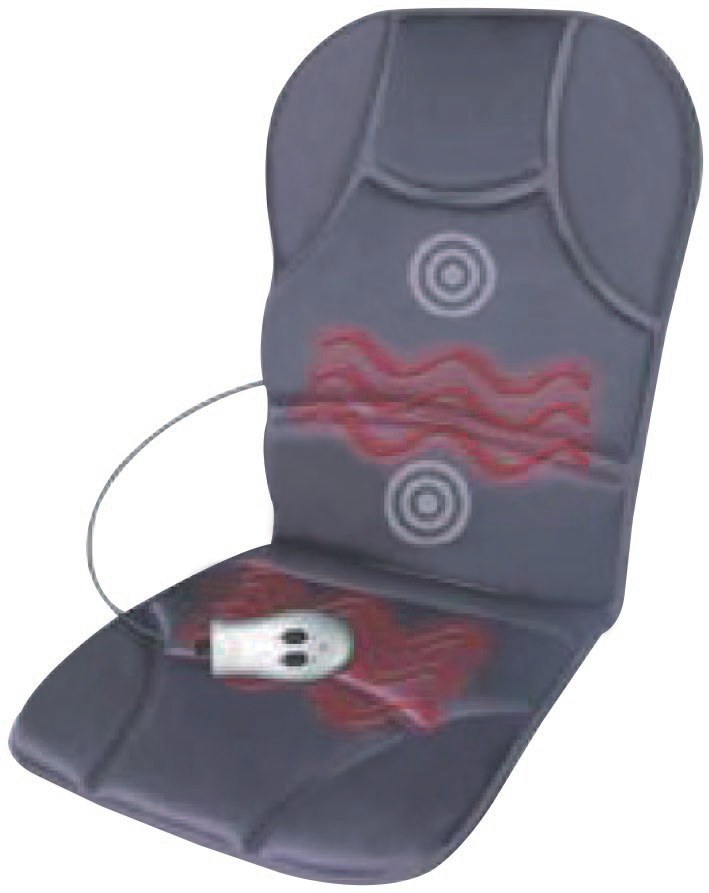
Massage Devices & Components
Heated massage devices combine two systems in one product: a heating element that warms the contact area, and one or more motors that deliver vibration or mechanical kneading. A controller ties them together. Buyers sourcing these products need to know how the two systems are assembled, how they are controlled, and where one stops and the other starts.
This article explains how heated massage devices work, using the actual products and components sold by Xiamen WellnessTechnology Co., Ltd. Wellness has built massage products since 2004 at an 8,200 m² facility, with two divisions: finished wellness products (Massage Devices) and massage mechanisms and components for furniture and equipment OEM buyers.
Key takeaways
- Heat is produced by a separate heating element near the massage surface; motors produce the vibration or kneading.
- Heat level, massage mode and session length are managed by a controller board.
- Finished devices (cushions, pillows) are sold by a brand; components (vibrator systems, heating pads) are built into furniture.
- Session length follows the product's built-in timer, which varies by model.
In this article
How do heated massage devices work?
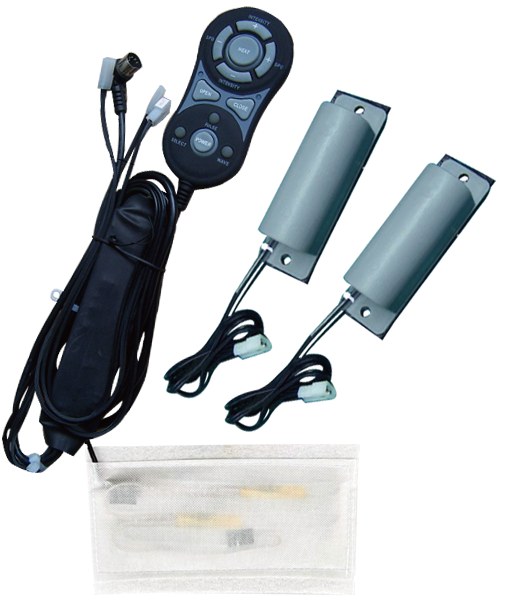
There are three functional blocks inside a heated massage device: the heating element, the massage mechanism, and the controller.
The heating element
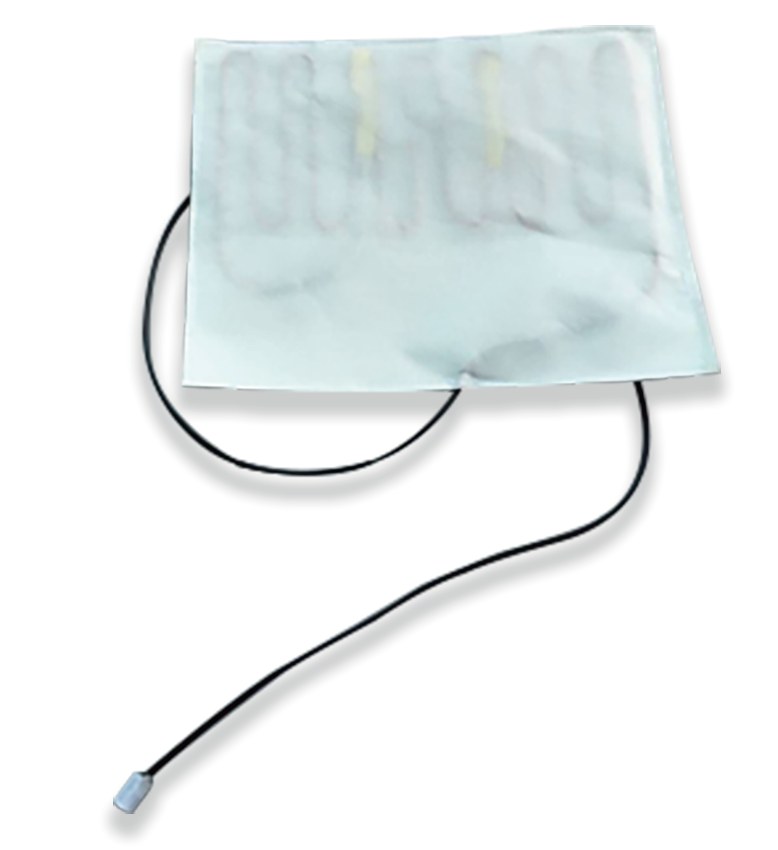
The heating element sits near the fabric or cushion surface that contacts the body. It warms the contact area, so the first thing the user feels is surface warmth rather than cold fabric. The heater is a dedicated component, separate from the massage motors. In the Wellness component range, for example, the HRG-32W is a 32W far-infrared heating pad (12VDC/3A input), and the HF-24W is a 24W heating pad (12VDC/2A input) designed for recliner and sofa seats.
The massage mechanism
Motors produce the movement. A vibration system converts motor rotation into vibration that travels through the fabric or padding. A kneading design uses rolling elements that rotate and press into the tissue. Motor count and arrangement determine the massage coverage pattern: the W823 uses two massage motors, while the W3021-2 uses four heating massage rollers with clockwise and counterclockwise kneading.
The controller
A small control board manages heat level, massage mode and timer. In the W4210-A, the onboard controls include a hi/lo massage intensity setting and a heat-on/off switch, both managed through the same control interface. The controller also runs the built-in timer that ends the session automatically.
Power input
Most compact devices and components run from a low-voltage DC adapter. Examples from the Wellness range: the W6122 vibration massage system takes 12VDC/2A input; the W4210-A ships with both home and car adapters; the W823 is powered by a car adapter. The W3021-2 uses a built-in lithium battery for cordless use.
Do heated massage devices really help you relax?
In massage and wellness terms, warmth feels soothing on the skin. A user typically feels the warming first, then the vibration or kneading arrives on top of it. That sequence is the product design goal: warmth makes the first contact comfortable, and the massage movement provides the active input.
How much a user relaxes depends on the device, the setting and the person. What a buyer can check on the spec sheet are the controls that shape that experience. The W4210-A offers a hi/lo massage intensity setting with a separate heat on/off switch, so a brand can position it as a simple, gentle cushion. The W6122 component offers 3 modes and 5 intensity levels with heating, which gives more range for tuning the feel. Materials matter too: the W3021-2 uses a plush outer cover with rebound sponge over the roller assembly, and the W823 uses soft polyester fabric. A wider intensity range and an independent heat switch give a brand more room to pitch the product as gentle, everyday relaxation rather than deep-tissue massage.
Wellness describes products by their mechanical and comfort features. No product in this article is presented as a medical device, and no claims are made about treating pain or any health condition.
How does heat combine with vibration or kneading massage?
Heat and massage are controlled as separate functions on the same device. That separation is useful for buyers: you can specify heat on/off independently of massage intensity, or tie them together through one control panel.
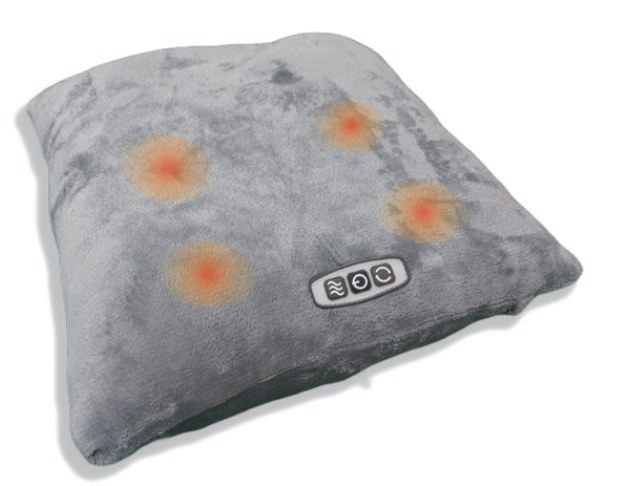
Two finished-device examples show different combinations:
- W3021-2 heated massage pillow: four heating massage rollers. The rollers are heating rollers, and the kneading direction can be switched between clockwise and counterclockwise. Dimensions are 390*110*390 mm, and it suits a sofa, office chair or car seat.
- W823 heated massage cushion: two massage motors for back muscles, plus full-body heating, in soft polyester fabric. Heat and vibration are separate systems sharing one power source.
On the component side, a heated vibration massage system like the W6122 combines two vibrators with a 12W heating element. It offers 3 modes and 5 intensity levels, with a 20-minute timer. The W7010 takes this further: a 10-vibrator system with heating, 9 modes, 4 intensity levels and a 5–55 minute timer. A furniture manufacturer integrating these units gets vibration and heat in one module rather than two separate parts.
What is the difference between a heated massage device and a heating pad?
This is the most common sourcing confusion, and it maps directly onto the two Wellness divisions.
A heated massage device is a finished product. It contains a heating element, at least one massage motor, a controller and a power input, assembled into something a brand can put on a shelf: a cushion, a pillow, a seat cover. The Massage Devices range covers this category.
A heating pad is a heat-only element. It has no massage motors. In the component catalog it is a building block that a furniture manufacturer integrates into a recliner or sofa seat. The heating components range covers these parts, which include the HRG-32W (32W far-infrared pad, 12VDC/3A input) and the HF-24W (24W pad, 12VDC/2A input).
So the practical distinction is who the product is for. A heated massage cushion goes to a consumer through a brand. A heated vibration massage system or a heating pad goes to a furniture OEM that builds it into a finished piece of furniture.
How long should a session be?
Follow the product's built-in timer. It is the manufacturer's designed session length for that model, and timers vary across the range:
| Model | Type | Timer |
|---|---|---|
| W4210-A heated car massage cushion | Finished device | 15 minutes |
| W6122 heated vibration massage system | Component | 20 minutes |
| W6002 single-vibrator system | Component | 20 minutes |
| W7010 10-vibrator system | Component | 5–55 minutes, adjustable |
The timers above are the models' built-in auto-stop settings, not medical advice on how long anyone should use a device. Buyers should confirm the timer range per model against the specification sheet before publishing any usage guidance on packaging or listing pages, and add their own consumer-facing usage notes — for example on continuous use and suitable user groups — after confirming those limits with the supplier. A device with a fixed 15-minute timer and one with an adjustable 5–55 minute timer need different instructions.
What should buyers check when sourcing heated massage devices?
The checklist below reflects the specification fields that actually differ across the range.
- Heat and massage combination. Decide whether you need both functions together or heat as a standalone element. The W823 pairs two massage motors with full-body heating; the HRG-32W is heat only.
- Control options. Count the modes, intensity levels and heat controls you need. W6122 offers 3 modes and 5 intensity levels with heating; W7010 offers 9 modes and 4 intensity levels; W4210-A offers hi/lo intensity plus a heat on/off switch.
- Power input. Match the input to your market and use case: 12VDC/2A (W6122 and HF-24W), 12VDC/3A (HRG-32W), home and car adapters (W4210-A), a built-in lithium battery for cordless use (W3021-2), and a car adapter on the W823 (input rating per its specification sheet).
- Timer. Fixed or adjustable, and what range. This drives your usage instructions.
- MOQ. Component MOQs are stated per model. The W6122 has an MOQ of 1,000 pieces. Confirm MOQ for each model you shortlist.
- OEM/ODM support. If you need your own branding, housing or control layout, check what the supplier offers. Wellness publishes its OEM/ODM capability and accepts project briefs.
To move from shortlist to quotation, request a quote with your target models, quantities and required input voltage.
Wellness holds company-level management-system qualifications: ISO management system certification, environmental management system certification and a BSCI social compliance assessment. These are management-system qualifications, not product certifications.
FAQ
How do heated massage devices work?
A heating element warms the contact area while one or more motors produce vibration or kneading. A controller manages heat level, massage mode and the timer, and power comes in through a DC adapter or built-in battery.
Do heated massage devices really help you relax?
Warmth feels soothing on the skin, and the massage then adds vibration or kneading motion. The experience depends on the device settings and the user. Wellness makes no medical or therapeutic claims for these products.
How does heat combine with vibration or kneading massage?
Heat and massage run as separate functions on one device. The W3021-2 uses four heating massage rollers with reversible kneading. The W823 pairs two massage motors with full-body heating. The W6122 component combines two vibrators with a 12W heating element.
What is the difference between a heated massage device and a heating pad?
A heated massage device is a finished product with heat, motors and controls, sold to a brand. A heating pad is a heat-only component integrated by a furniture manufacturer, such as the HRG-32W or HF-24W.
How long should a session be?
Follow the model's built-in timer — it is an auto-stop setting, not a medical recommendation: 15 minutes on the W4210-A, 20 minutes on the W6122 and W6002, and 5–55 minutes adjustable on the W7010. Confirm each model's timer on its specification sheet.
What should buyers check when sourcing heated massage devices?
Heat and massage combination, control modes and intensity levels, power input, timer range, MOQ and OEM/ODM support. Then request a quote with target models and quantities.
Specifications are per model and should be confirmed against each product's specification sheet before ordering.