
What Is the Role of Heating Pads in Massage Systems?
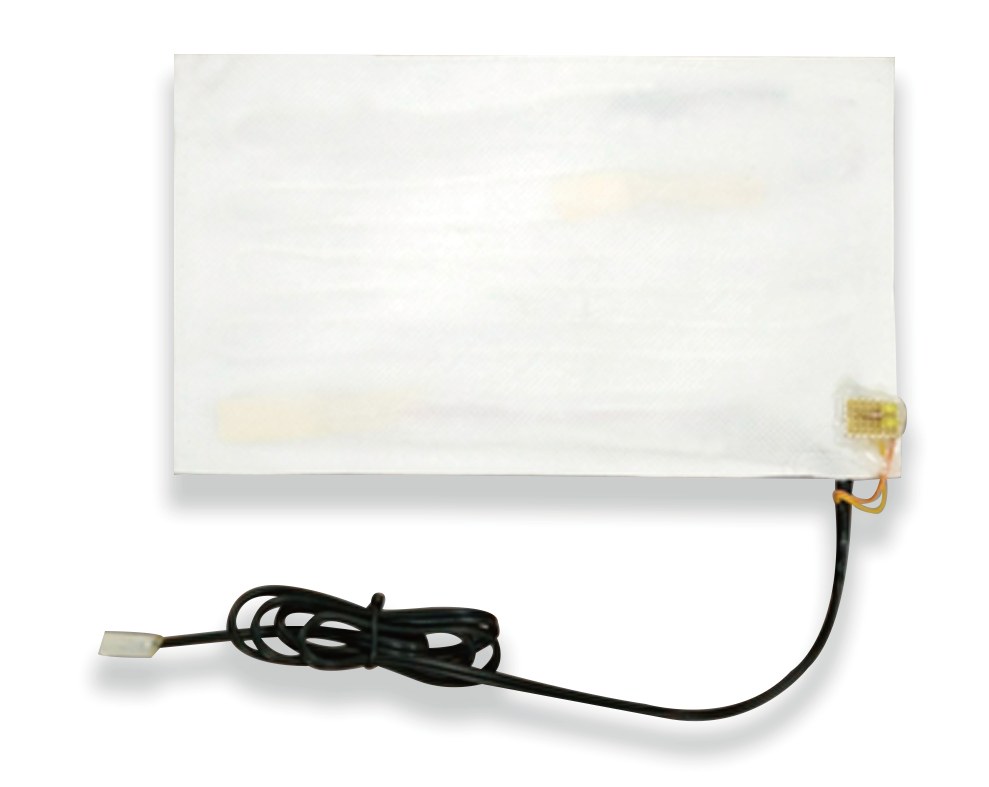
Heating Pads in Massage Systems: Functions and Applications
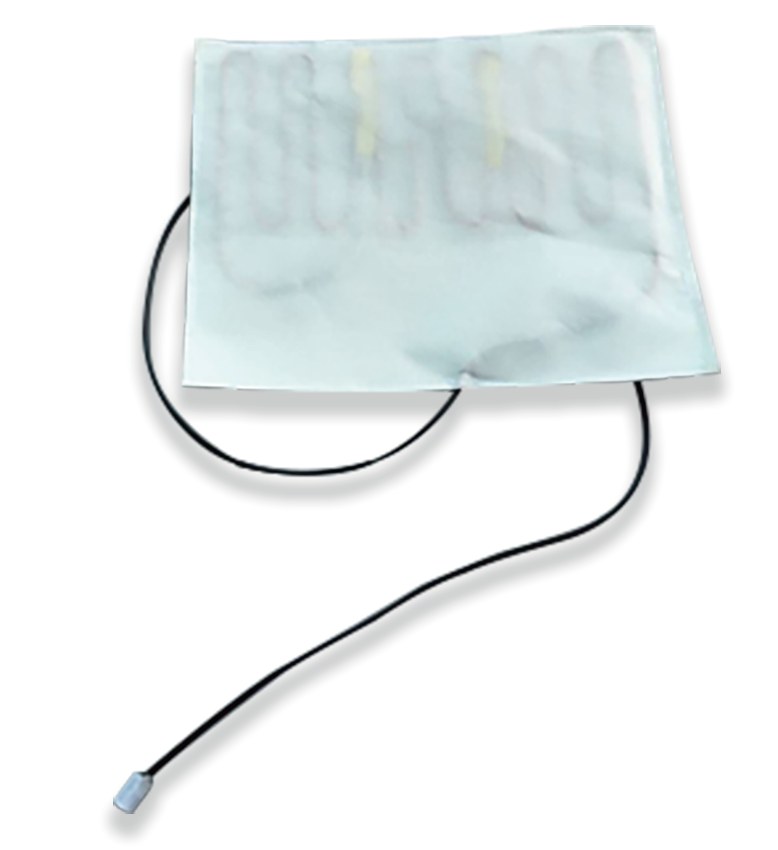
In a massage system, a heating pad is the component that supplies warmth to a seating or support surface while the massage mechanism does the mechanical work. The two are separate building blocks: the massage mechanism produces movement, and the heating pad produces heat through a low-voltage element installed inside the seat, backrest or frame. A massage chair, massage cushion or heated wellness device is the finished product that houses both, plus a controller and power supply.
For OEM and furniture project buyers, the heating pad is therefore a specifiable sub-assembly rather than a feature idea. What matters at the buying stage is the element type, the electrical input, how the pad fits inside the frame, how its temperature is regulated and how it connects to the system's control path. This article covers those component questions; the device-level behavior of finished heated massage products is addressed separately in How Do Heated Massage Devices Work?.
Key takeaways
- Heating pads provide warmth; massagers provide motion. They are distinct components wired into one finished product.
- Three common approaches: resistive heating elements, far-infrared heating elements and low-voltage DC heating pads.
- Temperature regulation is achieved through a control path external to the pad (thermostat or sensor-based) plus the system controller.
- Exact installation position, dimensions, connector type and temperature behavior are confirmed per project from technical documentation.
- What are heating pads in a massage system
- Common heating technologies
- Heating pad structure
- Temperature regulation
- Integration with massage mechanisms and controllers
- Applications in recliners, cushions and wellness products
- Specifying heating pads for a project
What Are Heating Pads in a Massage System?
A heating pad in this context is a low-voltage heating element assembly that mounts inside a seat, backrest or furniture frame. It is not a consumer accessory in the way a standalone electric blanket is; it is a part of the product's internal construction, sitting between the upholstery and the frame or cushioning, and powered from the product's own supply.
Its function inside a massage system is narrow and clear: it adds a thermal channel that can be used alongside the massage mechanism. Where the mechanism handles kneading, rolling, tapping or vibration, the heating pad handles warmth on a targeted surface area. This separation keeps design responsibilities clean — a project buyer can select a massage mechanism and a heating pad independently, then evaluate together how both fit the same furniture structure.
The component category for this is Heating and Climate Systems, which sits under massage components and systems rather than finished devices. Buyers sourcing there should treat the pad as one line item with its own electrical and dimensional requirements.
How do heating pads work in massage chairs?
Inside a massage chair, the heating pad is installed within the seat or backrest structure and wired to the chair's power and control system. When the controller enables the heat function, current flows through the heating element and the pad warms the surface above it. The chair's massage mechanism operates as a separate subsystem driven by the same controller.
Because the pad works from the chair's low-voltage supply, its input rating (for example 12VDC/3A on the HTP-008001M-32) is part of the chair's electrical budget. Both the 12W element rating and the 12VDC/3A input rating for that model are quoted verbatim from the client product document: the input rating describes the documented supply requirement of the pad's power path, so it is the value to plan the supply against, with the final arrangement confirmed against the wiring diagram. The practical questions for a chair project are where the pad physically sits, how much surface it covers and how its connector reaches the control board. All three are confirmed per project from the installation dimension drawing and wiring diagram rather than assumed from a catalog page.
Common Heating Technologies
Heating pads for massage systems generally fall into a small number of approaches. The distinction matters because it affects power draw, the kind of warmth delivered surface-side and how the pad behaves when integrated into upholstery.
What type of heating element is used in massage devices?
Massage devices typically use resistive heating elements, far-infrared heating elements, or low-voltage DC heating elements arranged in a pad format. Resistive elements warm up as current passes through a conductor; far-infrared elements emit energy in the infrared band and warm the surface differently; low-voltage DC elements are chosen to run from the product's DC supply. Some pads combine a heating element with a comfort layer, such as a soft textile facing.
The component line illustrates the range in basic electrical terms:
| Model | Heating element rating | Input | Documented position |
|---|---|---|---|
| HTP-008001M-32 | 12W heating element | 12VDC/3A | Seat, backrest or frame — position confirmed per project |
| HF-24W | 24W heating element | 12VDC/2A | Seat, backrest or frame — position confirmed per project |
| HRG-32W | 32W far-infrared heating element | 12VDC/3A | Seat, backrest or frame — position confirmed per project |
Wattage is not a direct proxy for how warm a surface feels; it indicates the electrical load the pad places on the supply and the element's design class. The ratings in the table are quoted verbatim from the client product document for each model: the element rating describes the heating element itself, while the input rating describes the documented supply requirement of the pad's power path. They are independent documented values, not derived from one another, so plan the power path against the input rating and confirm the final arrangement with the wiring diagram. Temperature control, heating coverage and dimensions for these models are not published values — they are confirmed per project against the furniture structure and the intended application.
Heating Pad Structure
A heating pad component is built from three functional layers: the heating element itself, the carrier or comfort layer that distributes it, and the electrical path — conductors and connectors — that links it to the host product. In furniture applications the pad is shaped and sized to fit the intended mounting zone, so structure and geometry are project-specific rather than universal.
On the component side, the documentation package is what makes the structure specifiable. Per project, technical documents include the Product Datasheet, Wiring Diagram, Electrical Schematic and Installation Dimension Drawing. For a buyer, the dimension drawing is usually the first document to review, because it settles whether the pad fits the existing frame or the frame must be adapted.
Temperature Regulation
Temperature regulation in a massage system is handled by a control path, not by the pad alone. The pad provides the heating element; the external control path — typically sensor- or thermostat-based regulation interacting with the product's controller — determines when heat is applied and at what level. For the component models described here, the exact control interface and connector type are subject to technical documentation per project.
This matters for buyers because regulation logic often lives on the finished-product side. If the product already has a controller and a heat function, the project question becomes whether that control path can drive the selected pad and through which connector. That compatibility is evaluated per project based on furniture structure, power supply and control system; it is not declared compatible with all recliner brands or frames.
How is temperature controlled in massage systems?
Massage systems regulate temperature by combining a sensing or switching element in the control path with the system controller. The controller enables or adjusts the heating channel, and the sensing element provides feedback so the surface stays within the intended range. On the component level, the pad supplies heat and the controller supplies regulation.
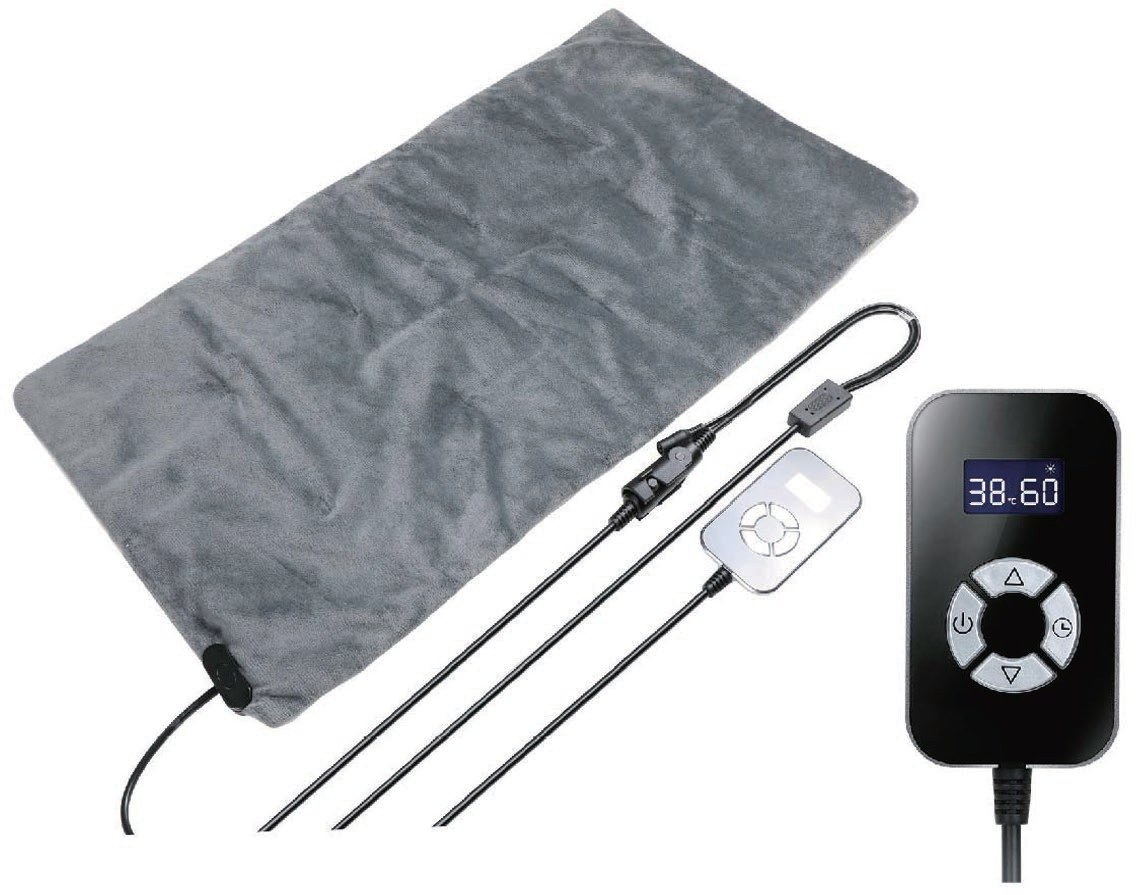
A finished product shows how this can be packaged. The Weighted Heating Pad W5004 is a finished device, not a component: it uses far-infrared heating with a carbon fiber heating element, a soft micro-plush polyester surface, moist and dry heating, temperature settings from 37°C to 60°C, a 1–4 hour timer and a 12V 5A adapter. Its controller and settings are part of the finished product, illustrating the separation between element and regulation.
Integration with Massage Mechanisms and Controllers
Heating pads and massage mechanisms share the same physical envelope and often the same power source, but they are engineered and sourced as different sub-assemblies. Integration therefore has three practical dimensions: physical fit, electrical fit and control fit.
- Physical fit — where the pad mounts relative to the mechanism's travel and the upholstery.
- Electrical fit — whether the pad's input rating (e.g., 12VDC/3A or 12VDC/2A) sits within the product's supply capacity.
- Control fit — whether the controller has a heat channel and a matching interface to the pad's control path.
A project worth planning early is the connector: it is the point where component flexibility ends and product wiring begins. Because the connector type is confirmed per project from the wiring diagram and electrical schematic, buyers should obtain those documents before finalizing the frame and control board design.
Can heating pads be integrated with massage mechanisms?
Yes. Heating pads are designed to install inside the same seat, backrest or frame that houses a massage mechanism, and they operate through an external control path shared with the product's controller. Integration is supported at component level, while the specific combination is evaluated per project against the furniture structure, power supply and control system. The project must confirm mounting position, dimensions and connector type from technical documentation before committing to a design.
Applications in Recliners, Cushions and Wellness Products
The same component logic applies across several product families. What changes is the mounting zone and the controller that governs the heat channel.
Recliners and sofas
For recliner and sofa projects, heating pads install inside the seat, backrest or frame. OEM and ODM buyers typically select the pad alongside the massage mechanism and specify the mounting zone so the pad clears mechanism travel and sits under the intended upholstery. Compatibility with a particular recliner frame is evaluated per project; components are not declared compatible with all recliner brands or frames.
Seat cushions
Seat cushions use the same component class in a smaller envelope. A finished example is the Heated and Cooling Car Seat Cushion 2048 — a finished device, not a component — which offers an optional heat function plus two low-noise cooling fans with a dry 3D mesh ventilation layer, a 12V DC / 36W rating including a car adapter, and ergonomic lower-back support. It shows how heating and airflow can share one cushion, but its heat function is part of the finished product.
Wellness products
Wellness products such as heating wraps, mat inserts and support surfaces use the same element types, with power and control defined by the finished design. Where the client requires a standalone device, the finished-product route applies; where the client is building heating into a furniture frame, the component route — pad plus controller interface — is the relevant one.
Specifying Heating Pads for a Project
A useful request to a component supplier states the mounting zone, the available DC supply, the intended controller interface and the upholstery environment. From there, the supplier can confirm which model fits and return the technical documentation package per project. The relevant starting points are the Heating and Climate Systems category and the individual component pages linked above.
Commercial terms for these components are MOQ 1,000 pieces with a lead time of 15–45 days per the current client documentation. Projects requiring custom integration can proceed through the OEM/ODM program, or send specifications directly via the request a quote form.
Next step
Working on a recliner, massage chair or wellness product that needs an internal heating channel? Confirm the mounting zone, supply rating and connector requirement, then request the component documentation package for your project.